Austria's Framework for Mobile App Certification in Licensed Poker Environments
Ben Frank · Aug 22, 2026

Austria's Framework for Mobile App Certification in Licensed Poker Environments
Austria maintains a structured regulatory system for mobile applications used in licensed poker operations, and this framework stems from the country's gaming legislation that emphasizes security, fairness, and compliance across digital platforms. Operators must secure certification before deploying apps that facilitate poker games in both online and land-based licensed settings, while the process involves multiple layers of technical review and ongoing audits.
Regulatory Foundations and Licensing Context
Data from Austrian federal records shows that poker activities fall under the broader gambling statutes administered by the Ministry of Finance, which oversees license issuance and app approval pathways. Licensed operators integrate mobile solutions only after apps meet predefined criteria for random number generation, transaction security, and user authentication protocols. Those who've examined the system note that certification applies specifically to environments where physical casinos or authorized venues connect with digital interfaces, creating a hybrid model that blends traditional licensing with modern technology requirements.
Research indicates the framework evolved from earlier digital gambling directives, and updates continue to align with European Union standards on consumer protection without overlapping into areas like data privacy policies. Observers note that licensed poker environments must demonstrate app functionality through independent testing laboratories approved by the regulatory body, ensuring consistent performance under various network conditions.
Certification Requirements and Technical Standards
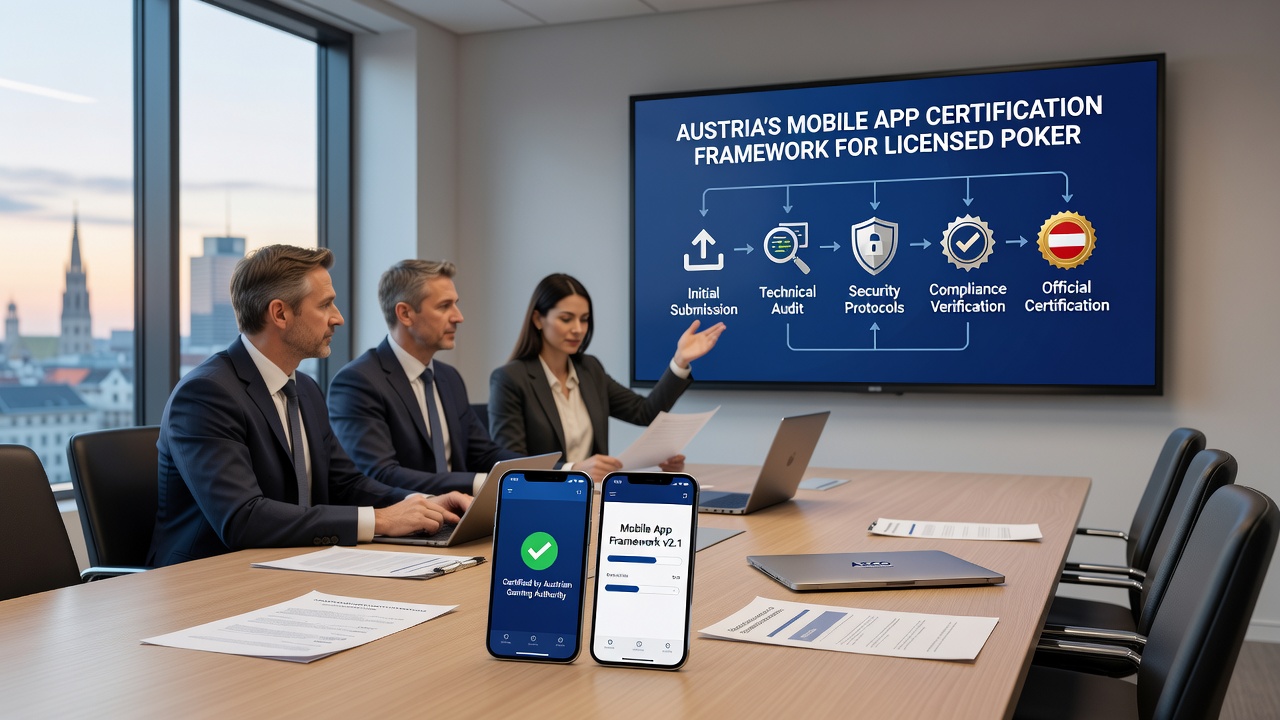
Applications undergo evaluation against criteria that cover software integrity, payment processing modules, and anti-fraud mechanisms, while each component receives separate scrutiny before full approval. Experts have observed that testing includes simulated gameplay sessions to verify compliance with return-to-player percentages mandated for poker variants, and results feed into a centralized database maintained by the oversight authority. And because the process demands documentation of all code changes, developers submit version histories that regulators review during initial and renewal phases.
Studies from European gaming research groups reveal that mobile apps must incorporate geolocation features to restrict access to licensed jurisdictions, and this requirement ties directly into the broader licensing conditions for poker operators. What's interesting is how the standards also address compatibility across operating systems, since both iOS and Android deployments require parallel validation to avoid discrepancies in game outcomes.
Testing Procedures and Approval Timeline
Independent labs conduct vulnerability assessments and load testing as part of the certification sequence, and these evaluations typically span several weeks depending on app complexity. Figures from regulatory reports show that most submissions require at least one round of revisions before final sign-off, while the authority issues certificates valid for a fixed period subject to periodic re-examination. New certification protocols are scheduled to take effect in August 2026, and these will incorporate enhanced biometric verification standards for player accounts in licensed poker settings.
Role of Oversight Bodies and Industry Collaboration
The primary regulatory agency coordinates with software providers and casino licensees to maintain consistent application of the rules, and this collaboration extends to workshops where technical updates get communicated across the sector. According to data published by the Austrian Federal Ministry of Finance, the number of certified poker apps has grown steadily since the framework's formalization, reflecting increased adoption among licensed operators. But here's the thing: smaller developers often partner with established testing firms to navigate the detailed submission requirements more efficiently.
Industry organizations such as the European Gaming and Betting Association have contributed reports that compare Austria's approach with frameworks in other regions, and one such analysis from an Australian research institution highlights similarities in mobile security mandates across jurisdictions. People who've studied these comparisons often discover that Austria places particular emphasis on real-time monitoring capabilities within certified apps, allowing regulators to flag irregularities during live poker sessions.
Implementation in Licensed Environments
Operators integrate certified apps into existing venue systems through secure APIs that preserve transaction logs for audit purposes, and this integration supports both in-venue tablet use and remote player access under strict licensing controls. Evidence suggests that compliance training for staff forms another required element, ensuring personnel understand how app features align with overall operational standards. Yet the framework also accommodates updates to poker game software, provided each modification undergoes abbreviated review rather than full re-certification.
Academic papers from research institutions in Canada have examined similar certification models, and they note Austria's reliance on third-party validation as a key strength in maintaining system reliability. Those who've tracked implementation patterns observe that licensed poker environments report fewer technical disruptions after adopting the certified mobile solutions.
Conclusion
Austria's approach to mobile app certification in licensed poker environments centers on layered technical reviews, coordinated regulatory oversight, and scheduled enhancements such as those planned for August 2026. The system continues to draw on data from approved testing entities and aligns with broader European practices while addressing the specific demands of poker operations. External references include information from the Austrian Federal Ministry of Finance and comparative studies by the Australian Gambling Research Centre, both of which provide context on evolving standards in this domain.