Austria's Oversight Mechanisms and Their Effects on Bonus Distribution in Digital Sports Wagering Platforms
Ben Frank · Oct 1, 2026
Austria's Oversight Mechanisms and Their Effects on Bonus Distribution in Digital Sports Wagering Platforms
Regulatory authorities in Austria maintain strict oversight over digital sports wagering platforms through a combination of licensing requirements and ongoing monitoring protocols that directly shape how operators distribute bonuses to players, and these mechanisms have evolved steadily since the early 2020s to address both consumer protection and market fairness.
Core Oversight Bodies and Their Mandates
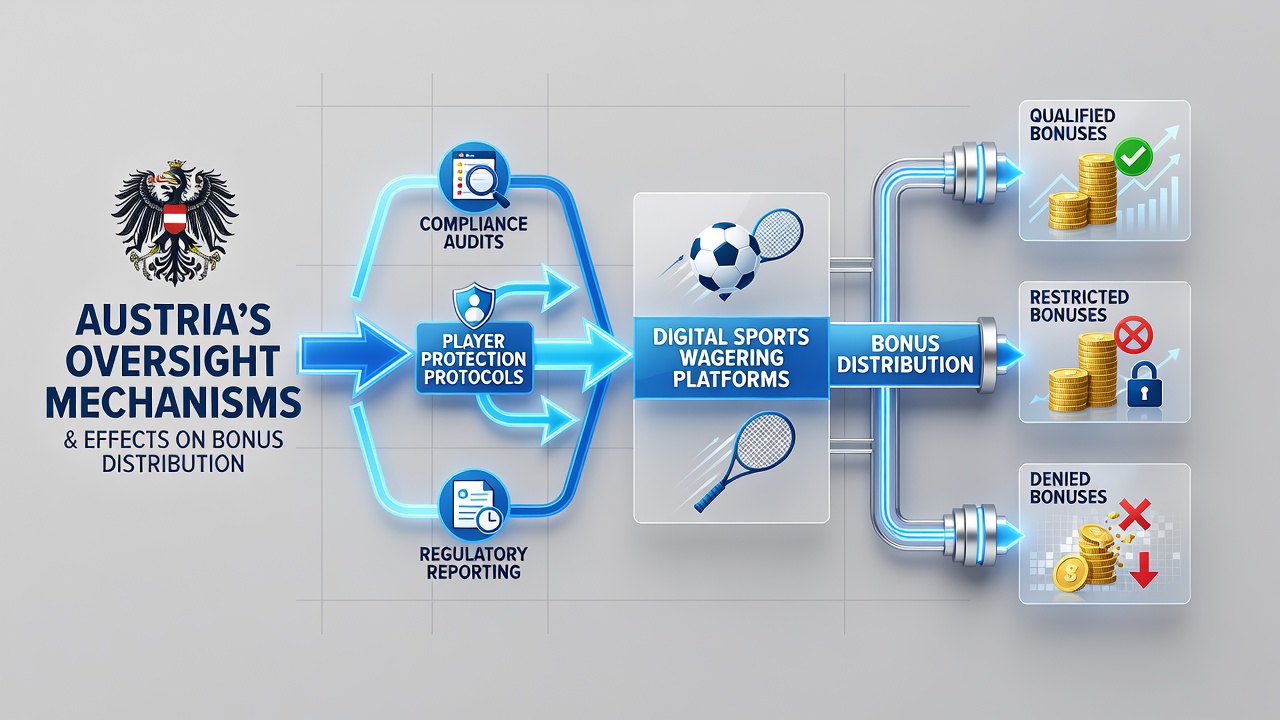
The Austrian Federal Ministry of Finance serves as the primary entity responsible for issuing licenses and enforcing compliance standards across sports betting operators, while subordinate agencies conduct routine audits that examine bonus structures for adherence to predefined limits on promotional offers and wagering conditions, according to official government documentation available at the ministry's regulatory portal.
These bodies require platforms to submit detailed reports on every bonus campaign before launch, which creates a pre-approval process that prevents operators from offering unlimited incentives and instead channels distributions toward capped welcome packages or loyalty rewards tied to verified play activity.
Mechanisms Governing Bonus Allocation
Operators must comply with transparency rules that mandate clear disclosure of bonus terms within the platform interface, and regulators track these elements through automated data feeds that flag deviations such as excessive wagering multipliers or hidden expiration clauses, which in turn forces companies to redesign their promotional models around sustainable player retention rather than aggressive acquisition tactics.
Data collected from licensed platforms reveals that bonus values rarely exceed a set percentage of initial deposits, a restriction that stems from guidelines updated in recent years to curb potential over-indebtedness among users, and this framework applies uniformly whether the platform focuses on football markets or niche sports like tennis and e-sports.
Impacts Observed in Platform Operations
Since the introduction of enhanced tracking systems, operators have shifted toward segmented bonus distributions that differentiate between new and returning players, with data from compliance reviews indicating higher approval rates for loyalty-based rewards that encourage steady engagement over one-time sign-up promotions, and this pattern holds across both mobile and desktop interfaces.
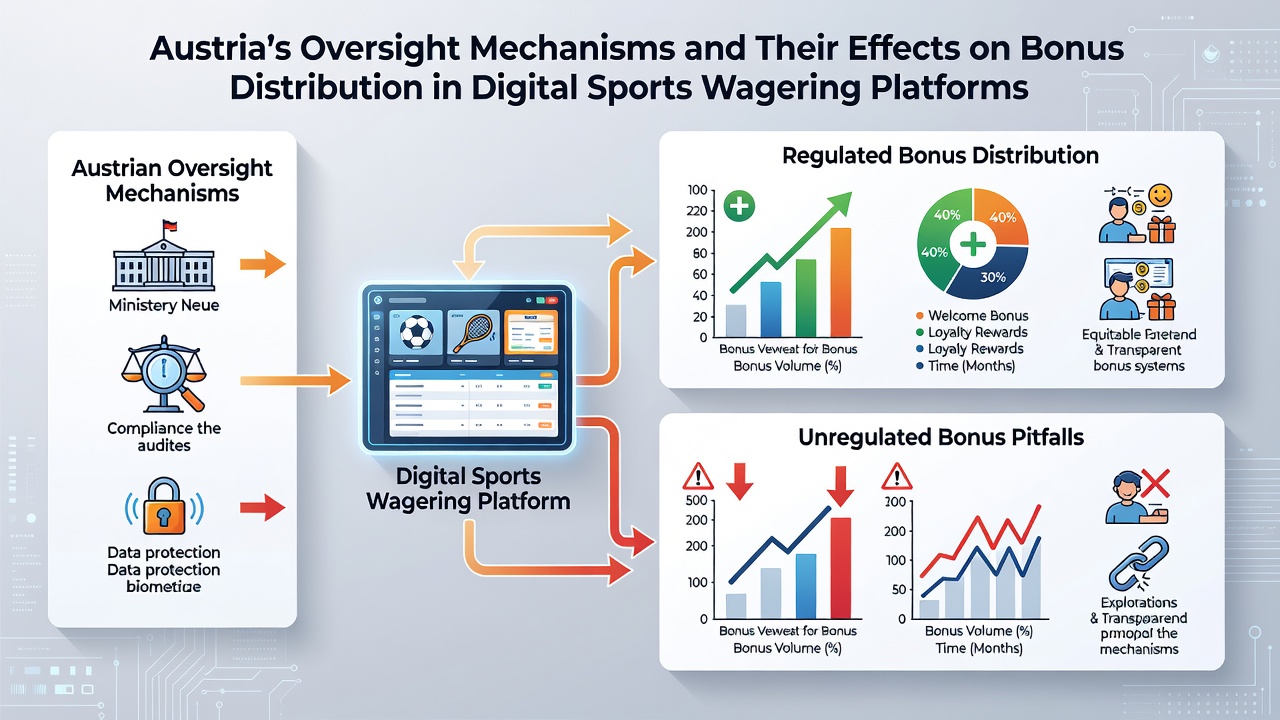
Research from independent European gaming studies shows that platforms operating under these constraints report lower rates of bonus-related disputes, largely because pre-vetted structures reduce ambiguity for users, yet operators continue to experiment within allowed parameters by bundling bonuses with responsible gaming tools such as deposit limits and session reminders.
Developments Anticipated for October 2026
Updates scheduled to take effect in October 2026 introduce additional reporting layers that will require real-time disclosure of bonus redemption rates to oversight committees, which observers expect will further refine how platforms allocate incentives by prioritizing those with demonstrated low-risk profiles, and this builds on existing frameworks without altering the core licensing structure.
Industry reports from organizations like the European Gaming and Betting Association highlight similar trends in other regulated markets, where comparable oversight has led to more balanced bonus ecosystems that favor long-term player value over short bursts of promotional spending.
Conclusion
Austria's layered oversight approach continues to influence bonus distribution by embedding compliance checks into every stage of promotional planning, which results in platforms delivering more measured offers that align with both regulatory expectations and operational sustainability. Those monitoring the sector note that these mechanisms foster an environment where data-driven adjustments replace unchecked creativity, ensuring that digital sports wagering remains accessible while mitigating potential harms associated with aggressive incentive structures.