Mobile Gaming Tools Supporting Player Protection Standards in Austrian Sports Betting and Casino Settings
Ben Frank · Oct 15, 2026
Mobile Gaming Tools Supporting Player Protection Standards in Austrian Sports Betting and Casino Settings
Austrian operators have integrated mobile gaming tools that enforce player protection standards through real-time monitoring systems and limit-setting features in both sports betting and casino applications, and these mechanisms align with national licensing requirements under the Glücksspielgesetz. Data from regulatory reports indicate that such tools track user behavior patterns across devices while maintaining compliance with age verification protocols and spending caps.
Core Regulatory Requirements Driving Tool Development
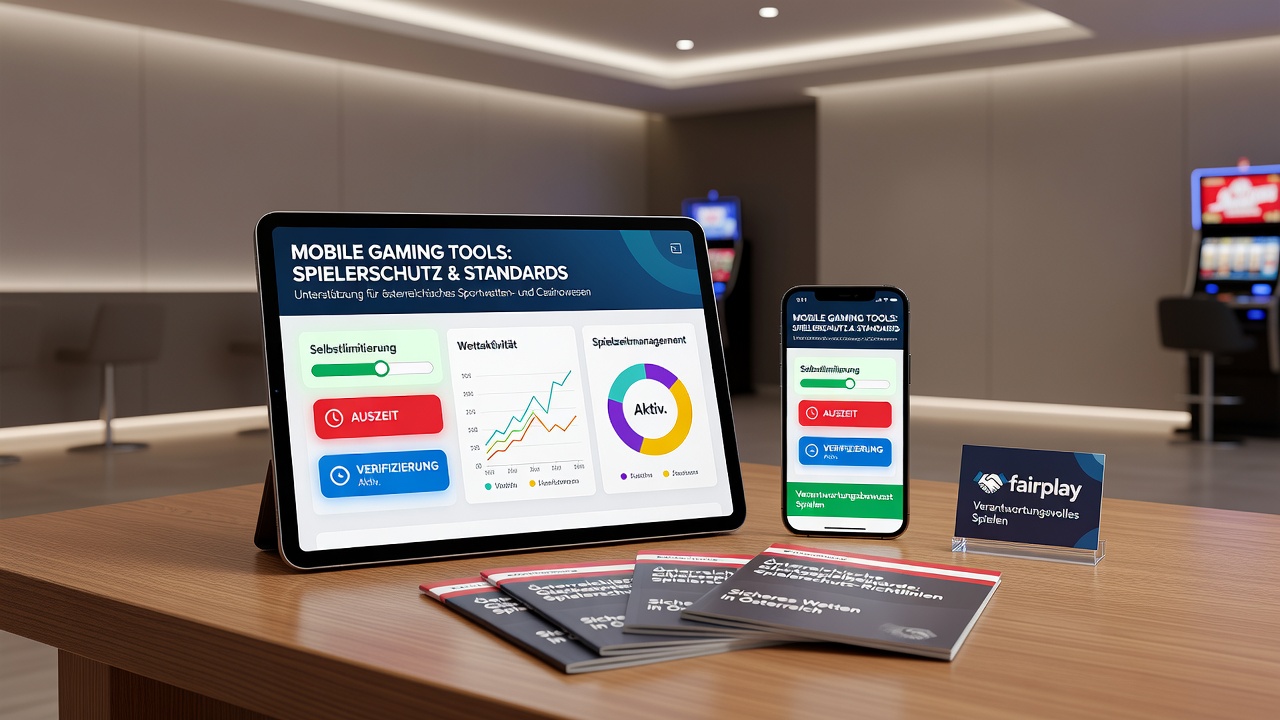
Austrian authorities mandate that licensed providers incorporate specific safeguards into mobile platforms, and these rules require operators to offer users options for setting deposit thresholds, session durations, and voluntary exclusion periods directly within apps. Research from European oversight bodies shows that these features must activate automatically once players reach predefined limits, which reduces the risk of excessive play in fast-paced environments like live sports wagering and digital table games.
Implementation occurs through secure APIs that connect app interfaces to centralized databases, and this setup allows for instant updates when players adjust their personal boundaries. Observers note that mobile developers prioritize seamless integration so that these tools do not interrupt gameplay flow, yet they still deliver clear notifications about remaining limits or triggered restrictions.
Key Tools in Sports Betting Applications
Sports betting apps in Austria commonly feature deposit limit calculators and loss tracking dashboards that update after each wager, and these elements help users maintain awareness of their activity across multiple events. Behavioral analytics engines scan betting frequency and stake sizes in real time, which triggers alerts when patterns suggest potential issues, while the system cross-references data against historical records stored on secure servers.
Reality check reminders appear at set intervals during extended sessions, and these pop-ups display total time spent along with net results before allowing continued play. Austrian providers have also adopted geofencing combined with identity checks to ensure that only verified residents access these protected environments, and this combination strengthens overall compliance efforts.
Application in Casino Settings
Casino mobile platforms utilize similar toolsets with added emphasis on slot and table game pacing controls, and these include optional cool-down periods that lock game access for chosen durations after significant wins or losses. Studies from academic research institutions reveal that such pause functions correlate with improved adherence to self-imposed boundaries among frequent players.
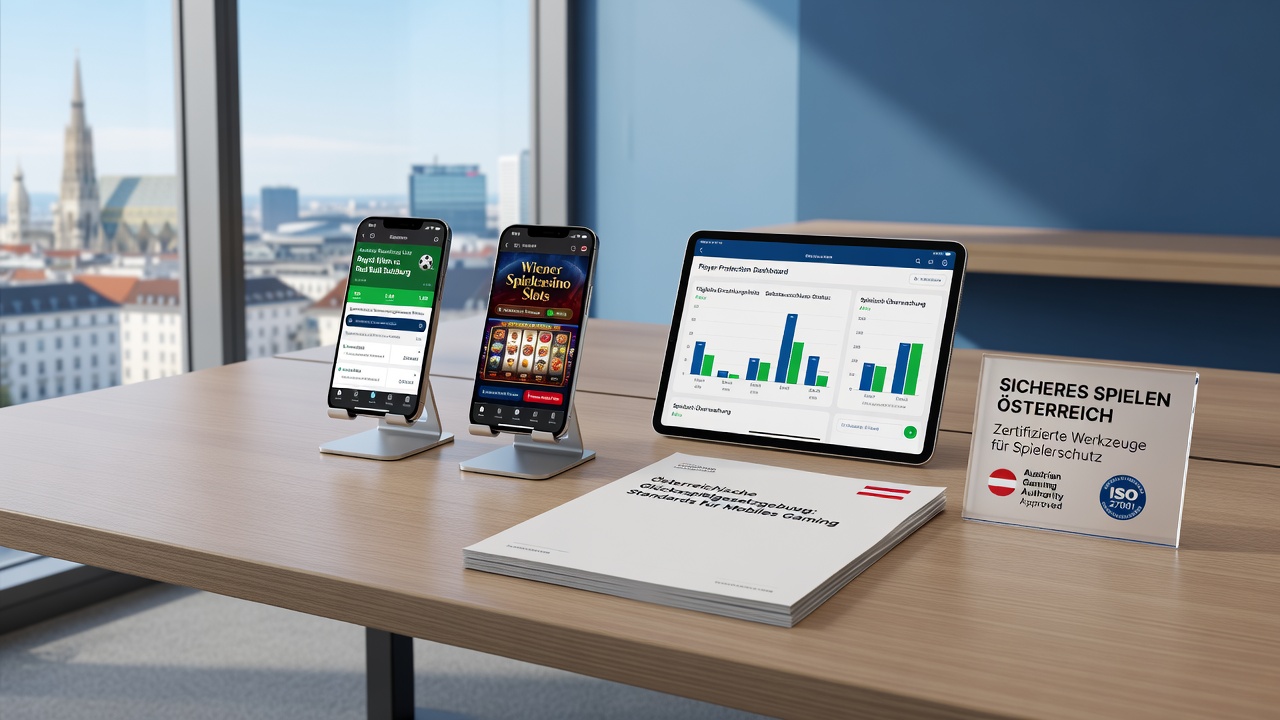
Self-exclusion lists sync across multiple operators through shared registries, and mobile apps query these databases upon login to prevent access for restricted accounts. Time-based limits apply uniformly to both virtual slots and live dealer streams, whereas stake caps adjust dynamically based on game type and player history, and this flexibility accommodates the varied pace of different casino offerings.
Technical Standards and Data Handling Practices
Encryption protocols protect all player data transmitted through these mobile tools, and Austrian regulations require regular audits of the underlying algorithms that detect at-risk behavior. Industry reports from organizations like the Austrian Federal Ministry of Finance document how these audits verify that tools function correctly under peak loads, such as during major sporting events or high-traffic casino periods.
Integration with national identification systems streamlines age and residency verification at the point of registration, and this process reduces opportunities for underage or unauthorized access from the outset. Updates scheduled for October 2026 will introduce enhanced interoperability standards that allow tools from different providers to share anonymized trend data for broader pattern analysis.
Monitoring and Continuous Improvement Mechanisms
Operators conduct ongoing evaluations of tool effectiveness through aggregated usage statistics, and these reviews inform refinements to notification timing and interface design. Research indicates that players who engage with multiple protection features simultaneously show higher rates of sustained compliance, and this finding has prompted developers to bundle options into unified control panels within apps.
Collaboration between regulators and technology firms has produced standardized reporting formats that track tool activation rates across sports betting and casino segments, and these formats enable comparative analysis over time. External audits by independent bodies further confirm that mobile implementations meet or exceed baseline protection thresholds established in licensing agreements.
Conclusion
Mobile gaming tools continue to evolve as central components of player protection frameworks in Austrian sports betting and casino operations, with ongoing technical advancements ensuring they remain responsive to regulatory updates and user needs. Comprehensive implementation across platforms supports consistent standards that prioritize safety alongside entertainment access.