Self-Limitation Tools and Adoption Patterns in Austrian Online Poker Communities
Devon Meier · Oct 29, 2026
Self-Limitation Tools and Adoption Patterns in Austrian Online Poker Communities
Self-limitation tools in Austrian online poker include deposit caps, session timers, loss thresholds, and temporary self-exclusion periods that licensed operators must offer under national gaming regulations. These features allow players to set personal boundaries directly through account dashboards, and data from regulatory filings shows consistent availability across major platforms operating in the country. Researchers tracking usage patterns note that adoption occurs most frequently among users who have maintained accounts for longer than twelve months, while shorter-term participants tend to engage with the tools at lower rates during initial registration.
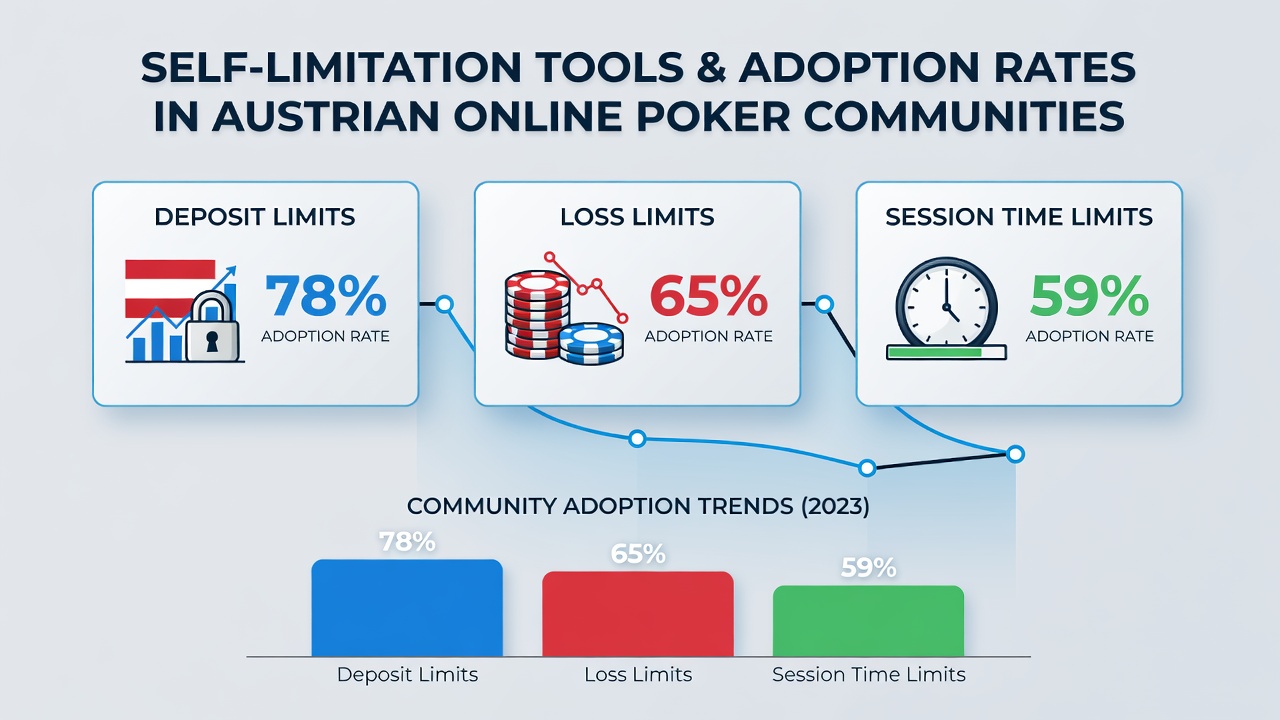
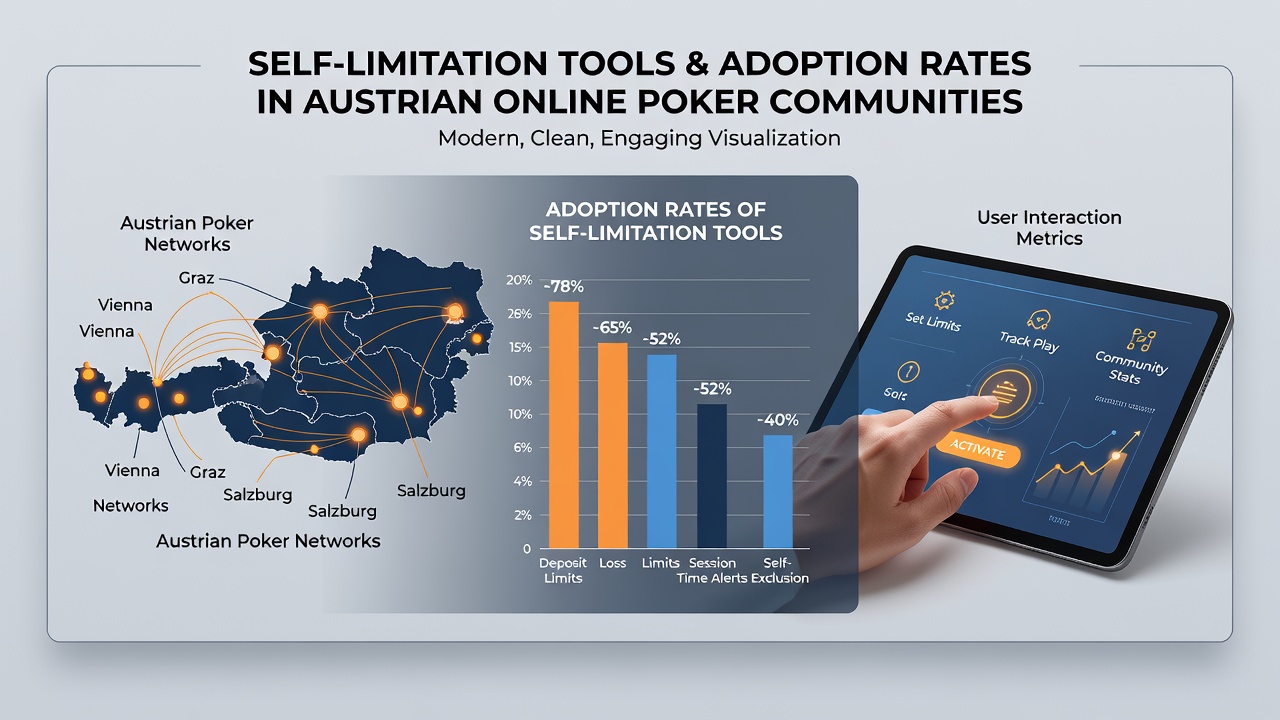
Figures released in regulatory summaries indicate that by October 2026 approximately 28 percent of active Austrian poker accounts had activated at least one form of limitation, with deposit caps remaining the most selected option followed by weekly loss limits. Platform analytics compiled by operators reveal that time-based restrictions see uptake in roughly 12 percent of cases, often among players who participate during evening hours on weekdays. These statistics come from aggregated operator reports submitted to oversight bodies and do not include data from unlicensed sites.
Regulatory Context and Tool Availability
Austrian law requires licensed poker providers to integrate self-limitation options into every player account, and operators must display these settings prominently during both registration and ongoing play. Compliance audits conducted through 2025 and into 2026 confirm that all authorized platforms meet this standard, though the exact presentation and default settings vary between providers. One study from the University of Graz examined interface design differences and found that simpler menu structures correlate with higher initial activation rates in the months following account creation.
External comparisons appear in reports from the Canadian Centre on Substance Use and Addiction, which examined similar tools in North American jurisdictions and noted parallel patterns of selective adoption based on session frequency. Austrian operators have referenced such international benchmarks when refining their own systems, yet local implementation remains shaped by domestic licensing conditions rather than direct replication.
Adoption Rates Across Player Segments
Breakdowns by age group show that players between 25 and 34 years old activate self-limitation features at rates roughly 1.4 times higher than those aged 18 to 24, according to anonymized platform data reviewed in industry briefings. Older cohorts above 45 demonstrate steadier but lower overall engagement, often selecting longer exclusion periods when they do participate. Gender distributions in the data remain relatively balanced, with no statistically significant difference emerging in most operator datasets examined through mid-2026.
Community forums and discussion boards frequented by Austrian poker enthusiasts contain threads where users describe setting deposit limits after periods of extended play, yet these anecdotal accounts do not represent verified population statistics. Observers monitoring public conversations note recurring mentions of weekly caps around 200 euros, though actual chosen amounts vary widely depending on individual bankroll size and playing frequency.
Factors Influencing Uptake
Promotional campaigns run by operators during 2025 and 2026 included targeted reminders about available tools, and internal metrics indicate temporary spikes in activation following such messages. Educational materials provided at account creation also appear to influence decisions, with one operator reporting a 9 percent increase in first-month limit settings after updating onboarding sequences. External research published by the Australian Gambling Research Centre documented comparable effects from reminder systems in other regulated markets, supporting the observation that repeated exposure raises awareness without necessarily dictating specific limit choices.
Technical barriers remain minimal because most platforms integrate the tools into existing account menus, yet some players report overlooking the options until prompted by customer support or responsible gaming pop-ups. Data from help-desk logs shows that inquiries about self-limitation features peak in the weeks following major tournament series, suggesting heightened awareness during periods of increased activity.
Trends Observed Through October 2026
Longitudinal tracking through the first three quarters of 2026 reveals a gradual rise in multi-tool usage, where players combine deposit caps with session timers rather than relying on single measures. This shift appears in roughly 15 percent of accounts that have any limitation active, according to aggregated operator submissions. Seasonal patterns show modest upticks during colder months when indoor recreational time increases, while summer participation dips slightly across most platforms.
Community-level discussions on Austrian poker sites continue to reference these tools in strategy conversations, often framing them as standard account management practices rather than exceptional interventions. Platform operators report that once activated, the majority of limits remain in place for at least six months, with changes occurring primarily when players adjust thresholds upward after sustained periods of controlled play.
Conclusion
Available data through October 2026 documents measurable adoption of self-limitation tools within Austrian online poker communities, driven by regulatory requirements and platform features rather than uniform player behavior. Segment-specific rates and influencing factors continue to evolve alongside interface refinements and awareness efforts, while international comparisons provide context without altering local compliance frameworks. Ongoing collection of operator-reported metrics will support further examination of these patterns in subsequent periods.